
Iran and Israel's Chess Game: The Ceasefire Is No Path to Peace
Is the Israel-Iran ceasefire a step toward peace or just a tactical pause? Explore the internal politics, strategic deterrence, and geopolitical reality shaping the Middle East. Read why endurance, not quick victories, will decide the future of the region.
POLITICSIRANANALYSIS
6/25/20254 min read
Tactical Silence, Strategic Noise
After twelve days of intense military clashes, both Israel and Iran have announced they’re backing down from further escalation. Both sides pulled off precise, targeted strikes against each other, but for now, the direct confrontation is on pause. The official statements from both camps are all about restraint and avoiding a wider conflict, though underneath it all, the deep mistrust is still there and pretty much driving the whole situation.
Political Theater and Domestic Motivations
Behind these ceasefire announcements, it’s not really about wanting peace—it’s more about domestic pressure and international politics. Israeli Prime Minister Benjamin Netanyahu’s political survival has long depended on crisis management. For thirty years, he’s built his entire political narrative around the Iranian nuclear threat, even though both the CIA and the IAEA have repeatedly confirmed that Iran doesn't have a nuclear weapon, and there’s no reliable evidence they’re building one. That’s why it was such a massive move when Netanyahu managed, for the first time, to drag the US into a direct conflict against Iran. To pull that off, though, he had to play by Donald Trump’s rules. Trump came into office wanting to look like the ultimate peacemaker and take credit for every success—so he definitely made Netanyahu pay a price for that support.
Now, Netanyahu’s footing at home might be shaky, but the war narrative around the Iranian threat keeps his leadership legitimate. A foreign threat distracts people from internal issues and lets the government put on a show of strength and unity on the world stage. Iran, on the other hand, didn’t want things to escalate from the very beginning. Their official stance was that they weren’t acting as the aggressor; they were just responding to the attacks against them.
Iran’s Response: Deterrence and Stability
Since 1979, Iran has operated as a closed, highly ideological, sovereign state focused on a strategy of military deterrence. Their ballistic missile and nuclear programs—no matter how controversial—are the absolute cornerstones of that strategy. These aren't just military investments; to them, they’re guarantees of the country’s sovereignty and security. The example of Libya—where Gaddafi disarmed, only for foreign intervention to step in and cause a total domestic collapse—is deeply burned into the strategic thinking of Iran's leadership.
Part of Iran’s strategy also relies on regional allies and proxy groups—like Hezbollah in Lebanon, Hamas in Gaza, the Houthis in Yemen, and various Shia militias in Iraq and Syria. These groups are all about maintaining "strategic depth"—the goal is to keep any threat of war as far away from Iran's actual borders as possible. But that system has taken some hits lately. Enemy strikes have started hitting inside Iran, even reaching the capital, Tehran—which is completely unprecedented compared to recent decades.
A Reliable System, Not a One-Man Show
Western analysts often lump Iran in with other authoritarian regimes built around a cult of personality. But the Iranian political setup isn't like Saddam’s Iraq, Assad’s Syria, or Gaddafi’s Libya. The Iranian theocracy is highly structured, institutionalized, and quick to adapt. If a key player falls off the map, the system replaces them instantly. Even though the ultimate decisions rest with the Supreme Leader, power doesn't just belong to one person. The state runs on a complex institutional network where different branches of government, councils, and expert bodies work together to map out their strategic direction.
Social Unity Under the Threat of War
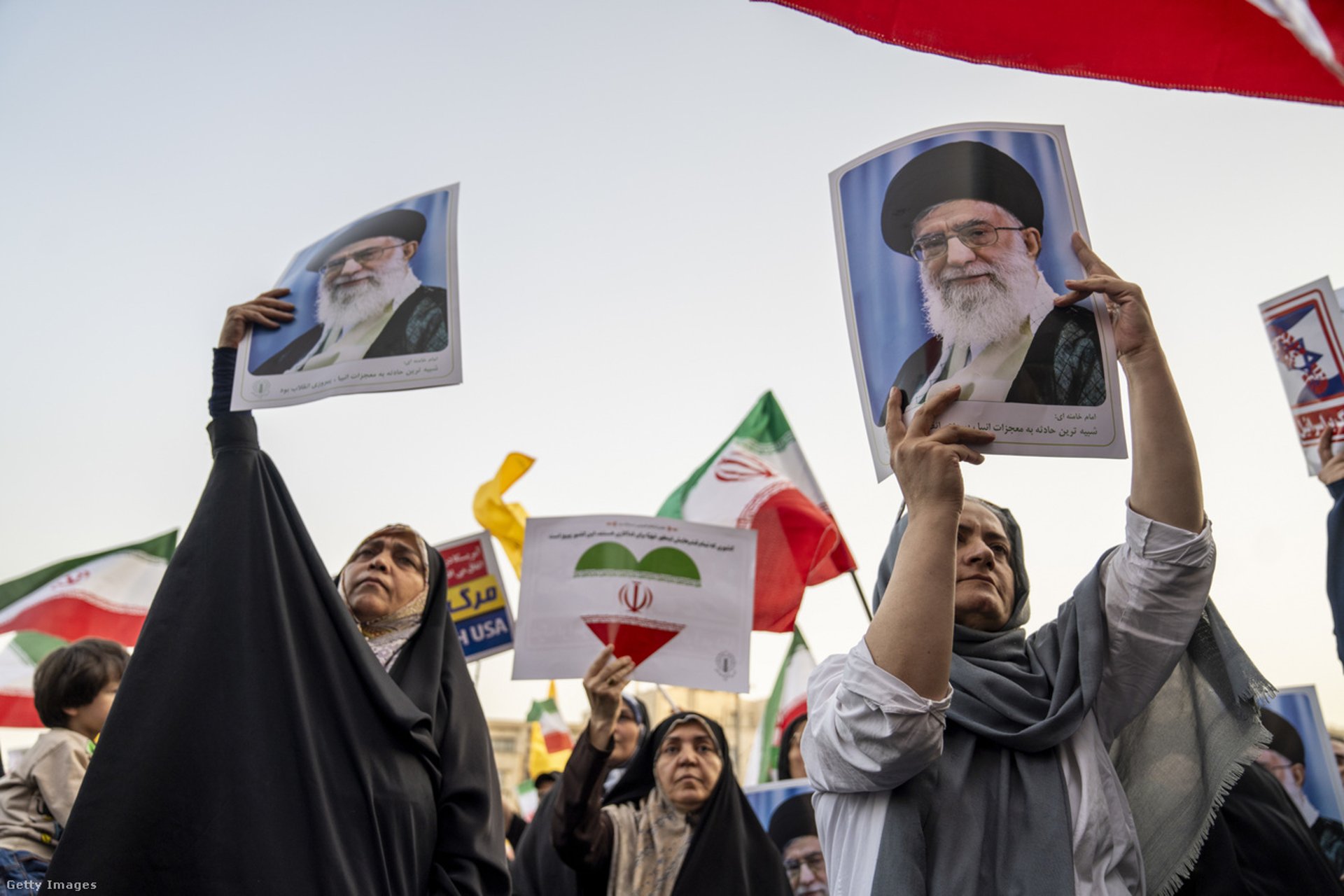
Foreign attacks haven't weakened Iranian society; they’ve actually brought people closer together. Even those who used to be critical of or totally indifferent to the political system are showing a lot more national pride right now. The threat of war has triggered a collective sense of vulnerability, which has pushed internal divisions into the background. More and more people are realizing that the country's unity and security aren't just the government's problem—it’s everyone's responsibility.
You can feel this growing community spirit not just on the streets, but in how state institutions are running, too. The armed forces, especially the Revolutionary Guard, are operating with a lot more public trust and legitimacy, and morale within the security apparatus has definitely gone up. So, instead of fracturing under pressure, Iranian society has consolidated—it’s become tighter, more unified, and more resilient against outside coercion.
The Geopolitical Scorecard: Iran Didn't Lose, Israel Didn't Win
Ending this direct confrontation is more of a tactical necessity than a real strategic shift. Iran's retaliatory strike sent a crystal-clear message: if they get hit, they can hit back directly, not just through their proxies. While Tehran didn't want to push things any further, they successfully showed off their military capabilities and deterrence potential. Israel, meanwhile, kept its technological edge and proved it could strike deep inside Iranian territory, but it couldn't stop the counterattack—and that chips away at the myth of their total invulnerability.
On top of that, Israel’s political goals weren't met either. They didn't shake the Iranian regime, they didn't stop Iran's advanced ballistic missile launches, and the nuclear program is still up and running. Even though the US launched targeted strikes on nuclear facilities in Natanz, Isfahan, and Fordow, current reports show that the enriched uranium had already been moved before the attacks, and a huge chunk of key equipment—including the centrifuges—was successfully cleared out. The Iranian state atomic energy agency has already confirmed that the nuclear program is moving ahead completely unchanged. All of this shows that Iran didn't just hold its ground militarily; it came out of this politically intact, and its regional standing might actually be stronger.
So, while both sides put on a massive show of military force, neither could claim a decisive victory. The regional balance of power hasn't really changed; it’s just frozen in place. This ceasefire isn't the start of peace—it’s a temporary intermission at best, a chance to catch a breath before things get tense all over again.
The conflict system in the Middle East isn't known for permanent fixes; it’s known for recurring crises. The question now isn't if there will be another clash, but when, what it will look like, and what the fallout will be. In a volatile space like this, it’s not just about who has more weapons—it’s about who has the patience, consistency, and long-term vision. Because at the end of the day, quick wins don't matter as much as endurance and strategic self-discipline.
PUBLISHED IN
ÖT: https://ot.hu/ujvari-barbara/iran-es-izrael-sakkjatszmaja-a-tuzszunet-nem-a-beke-kezdete/
INDEX: https://index.hu/kulfold/2025/06/25/iran-izrael-sakkjatszma-tuzszunet-atomletesitmeny/